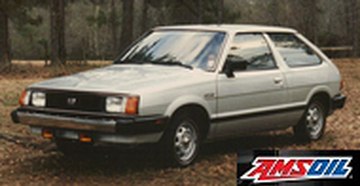
Maintaining Lubrication Integrity for the 1981 Subaru 2-DOOR 1.8L
Proper engine care for a vehicle of this era requires a focus on consistent monitoring and proactive inspection. For owners of the 1981 Subaru 2-DOOR equipped with the 1.8L EA81 engine, maintaining the lubrication system is a fundamental aspect of long-term mechanical health. Because older engines rely on the integrity of various seals and the cleanliness of the lubricant to operate efficiently, understanding how to monitor these systems can prevent unexpected issues.Monitoring Fluid Condition and Consumption
One of the most effective ways to gauge the health of an engine is to pay close attention to how it uses its oil. While all internal combustion engines consume a small amount of lubricant over time, significant changes in consumption levels warrant closer investigation. If you notice that the oil level on the dipstick is dropping more rapidly than previously observed, it may indicate a need for a more frequent inspection schedule. Beyond just the quantity of oil, the physical appearance of the lubricant can provide useful clues. When checking the oil, observe its color and texture. While used oil naturally darkens over time due to heat and operational use, an extremely dark or gritty consistency might suggest that the oil is heavily contaminated or that service intervals are being stretched too far. Additionally, if the oil appears milky or cloudy, this can be associated with the presence of other fluids, such as coolant, which requires immediate professional attention to determine the cause.Observing Potential Warning Signs
Identifying issues early can often simplify maintenance tasks. When operating your 1981 Subaru 2-DOOR, remain alert to any new mechanical sounds or visual cues that deviate from the vehicle's normal operation. For instance, unusual noises coming from the engine area during startup or while idling should not be ignored; these can sometimes be linked to changes in lubrication effectiveness or oil levels. Visual inspections of the ground beneath where the vehicle is parked are also highly beneficial. The presence of fresh fluid spots can indicate that a seal or gasket is beginning to seep. While small amounts of seepage are common in older vehicles, any active drip should be investigated. Furthermore, if you notice changes in exhaust characteristics—such as smoke that appears differently than usual—it may be worth examining the engine's lubrication state. Always remember that symptoms can have multiple underlying causes, so a single observation should be treated as a prompt for further inspection rather than a definitive diagnosis.Prioritizing Maintenance Based on Current Condition
As vehicles age, the most effective approach to maintenance is to prioritize tasks based on the actual condition of the components rather than relying solely on the age of the vehicle. For an EA81 engine, this means establishing a baseline of what "normal" looks like for your specific car. If you do not have a complete service history, your first priority should be to document the current state of all fluids and visible mechanical components. When reviewing maintenance needs, address active concerns first. This includes investigating any evidence of leaks, addressing unusual noises, or responding to changes in how the engine performs. Once the immediate condition is understood, you can transition into preventive maintenance. Keeping a detailed log of when oil was changed, which products were used, and any observations made during inspections will help you distinguish between routine service needs and more significant mechanical requirements. This organized approach allows for more informed decision-making regarding whether to perform preventive care or to address an emerging issue.Inspecting Aging Components and Seals
With a vehicle from 1981, certain materials are naturally subject to the effects of time and heat cycles. During routine service, it is practical to perform visual checks on various components that may show signs of wear. This includes inspecting accessible hoses for any signs of cracking or softening and checking electrical connections for cleanliness and secure seating. Regarding the engine's sealing surfaces, look for signs of age-related seepage. While you should not assume a specific gasket has failed, observing whether there is a buildup of grime or oil around various junctions can help identify areas that may require attention in the future. If your vehicle is equipped with drive belts, inspect them for any evidence of glazing, fraying, or cracking. These inspections are most effective when performed regularly, allowing you to notice gradual changes rather than sudden failures.Effective Strategies for Long-Term Ownership
Successful long-term ownership of a 1981 Subaru 2-DOOR involves moving from reactive repairs to a more structured maintenance philosophy. This begins with the accumulation of service records. Knowing exactly when the last oil change occurred, or when a specific part was last inspected, removes much of the guesswork from vehicle upkeep. If you are managing a vehicle where the previous maintenance history is unknown, focus on establishing that baseline through thorough inspections. Rather than replacing parts simply because they are decades old, use your observations to guide your actions. For example, if a component appears robust and shows no signs of deterioration during a visual check, it may not require immediate replacement. Conversely, if an inspection reveals significant wear or evidence of previous neglect, those areas should become the focus of your maintenance efforts. This condition-based strategy ensures that resources are directed where they are most needed to maintain the vehicle's operational integrity.Buying Engine Oil for your 1981 Subaru 2-DOOR 1.8L
When it is time to replenish your engine's lubricant, the most important step is to ensure the product matches the specific requirements of your application. To select the correct oil, refer to the vehicle-specific viscosity and application information provided on this webpage. When you are shopping for products, keep the following practical tips in mind:- Match the Application: Always prioritize the viscosity and specifications listed in the technical data above rather than making assumptions based on the vehicle's age or engine size.
- Verify Labeling: Before completing a purchase, check the product container to ensure the SAE viscosity and API service classifications align with your needs.
- Consider Formulations: Depending on your specific engine condition, you may encounter various options such as conventional, synthetic blends, or full synthetic oils. Some high-mileage oil formulations contain additives intended for use in aging engines, including seal-conditioning additives, which may be a consideration for older engines showing signs of seepage.
- Check Quality Standards: Ensure the oil meets current industry standards for quality and performance to provide the best possible protection for your engine components.